


Understanding Subacromial Impingement Syndrome & Acromioplasty
Subacromial Impingement Syndrome occurs when the space beneath the acromion bone of the shoulder blade narrows due to anatomical bone spurs, thickened coracoacromial ligaments, or chronic subacromial bursitis. Each time the arm is raised, the rotator cuff tendons and bursa are pinched against the bone, causing sharp pain between 60° and 120° of arm elevation (painful arc). If left unaddressed, chronic impingement frays and eventually tears the rotator cuff tendon. 4K arthroscopic decompression smooths the bone spur and clears inflamed tissue to permanently restore frictionless glide.
Personalized Evidence-Based Clinical Care
Every treatment protocol is tailored specifically to your diagnosis, anatomy, and lifestyle goals, combining cutting-edge surgical precision with structured physiotherapy for optimal long-term outcomes.
When Should You Consider Consultation for Impingement Syndrome?
Specialist intervention is considered when joint pain or functional limitation significantly disrupts your daily life and conservative measures have been exhausted. Check if you experience any of the following:
Pain on the outside of the upper arm and shoulder when reaching overhead, putting on a shirt, or reaching backward.
Sharp 'pinch' or pain when raising the arm between chest height and shoulder level (painful arc).
Aching pain after playing badminton, tennis, swimming, or doing overhead gym presses.
X-ray or MRI showing a hooked (Type II/III) acromial bone spur or subacromial bursitis.
Temporary relief from steroid injections that wears off after a few months.

Dr. Vijay Kumar
Verified SpecialistSenior Consultant Orthopaedic, Robotic Joint Replacement & Complex Articular Trauma Surgeon
“My surgical philosophy centers on biological preservation, anatomical restoration, and rapid functional recovery. By tailoring the intervention to each patient's unique anatomy and lifestyle, we achieve lasting pain relief and active mobility.”
The 4-Stage Precision Clinical Workflow
Comprehensive Clinical & Imaging Diagnosis
Outpatient keyhole procedure performed through two 4-mm puncture portals.
Tailored Minimally Invasive Approach
Insertion of 4K optical arthroscope into the subacromial space.
Anatomical Restoration & Tissue Decompression
Complete clearing of inflamed, hypertrophic subacromial bursa using radiofrequency ablation.
Accelerated Functional Rehabilitation
Precision bone reshaping using a motorized burr converting a hooked acromion into a smooth, flat surface.
Stage 05: Treatment Phase
Inspection of underlying rotator cuff tendon confirming intact structural integrity.
Treatment Modalities Offered
Dr. Vijay Kumar practices conservative joint-sparing protocols first, proceeding to advanced surgical intervention only when indicated:
Non-Surgical & Joint Sparing
- Rotator cuff and lower trapezius / serratus anterior physical therapy
- Postural correction expanding the subacromial space
- Targeted non-steroidal anti-inflammatory therapy
- Ultrasound-guided subacromial PRP or corticosteroid injection
Specialised Surgical Procedures
- All-Arthroscopic Subacromial Decompression (ASD)
- Arthroscopic Acromioplasty (smoothing hooked bone spur to a flat contour)
- Subacromial Bursectomy clearing inflamed subdeltoid bursa
- Coracoacromial Ligament Release
Recovery Timeline & Mobility Milestones
Days 1–3: Sling used only for initial comfort; immediate active arm elevation and pendulum exercises.
Weeks 1–2: Normal daily light activities, typing, driving, dressing without pain.
Weeks 3–4: Progressive rotator cuff strengthening, resistance bands, swimming.
Weeks 6–8: Full return to overhead sports (tennis, badminton, gym workouts).
International Fellowship & Surgical Suite Records
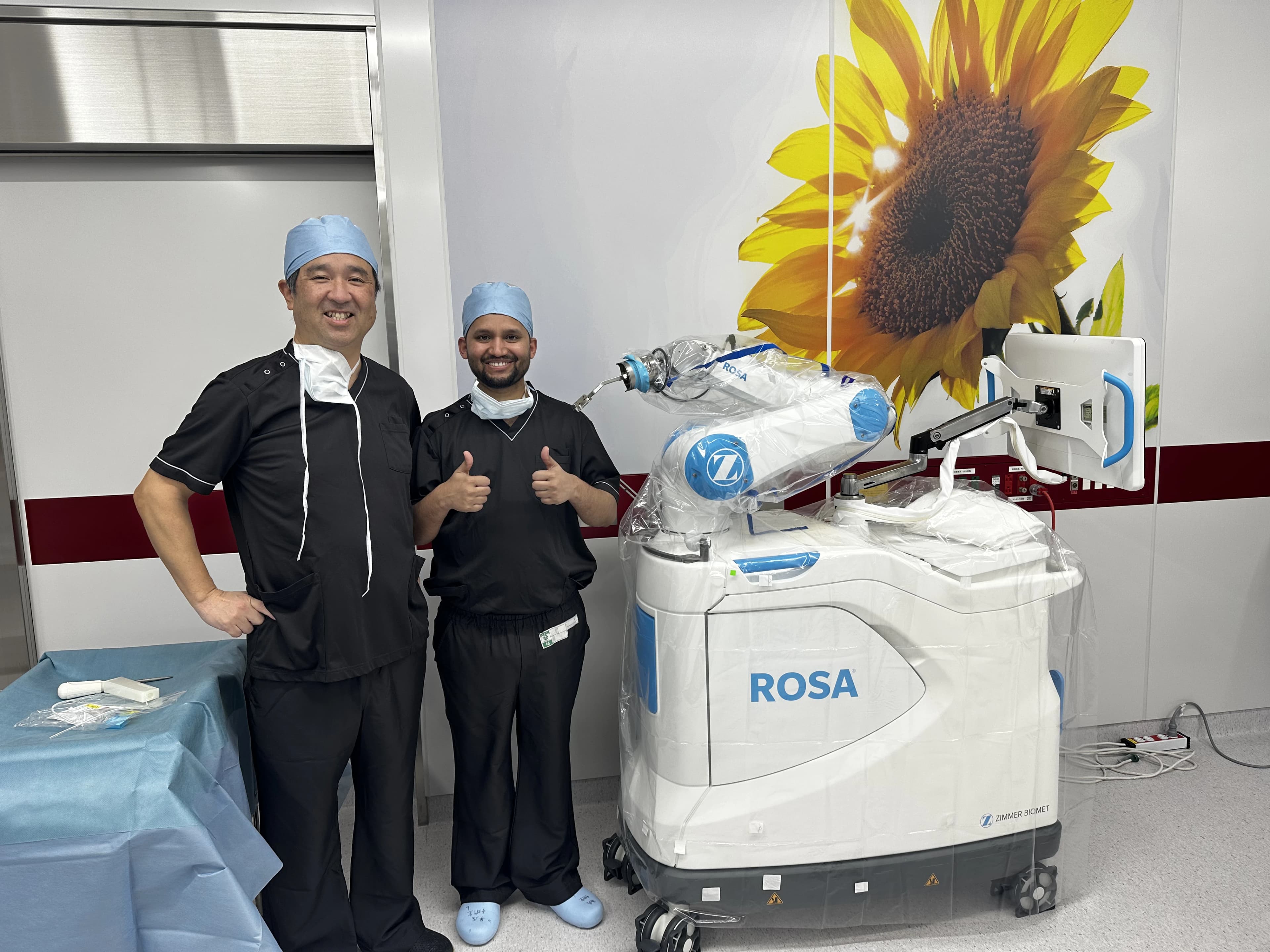
Intraoperative kinematics & 3D navigation alongside Japanese surgical faculty.
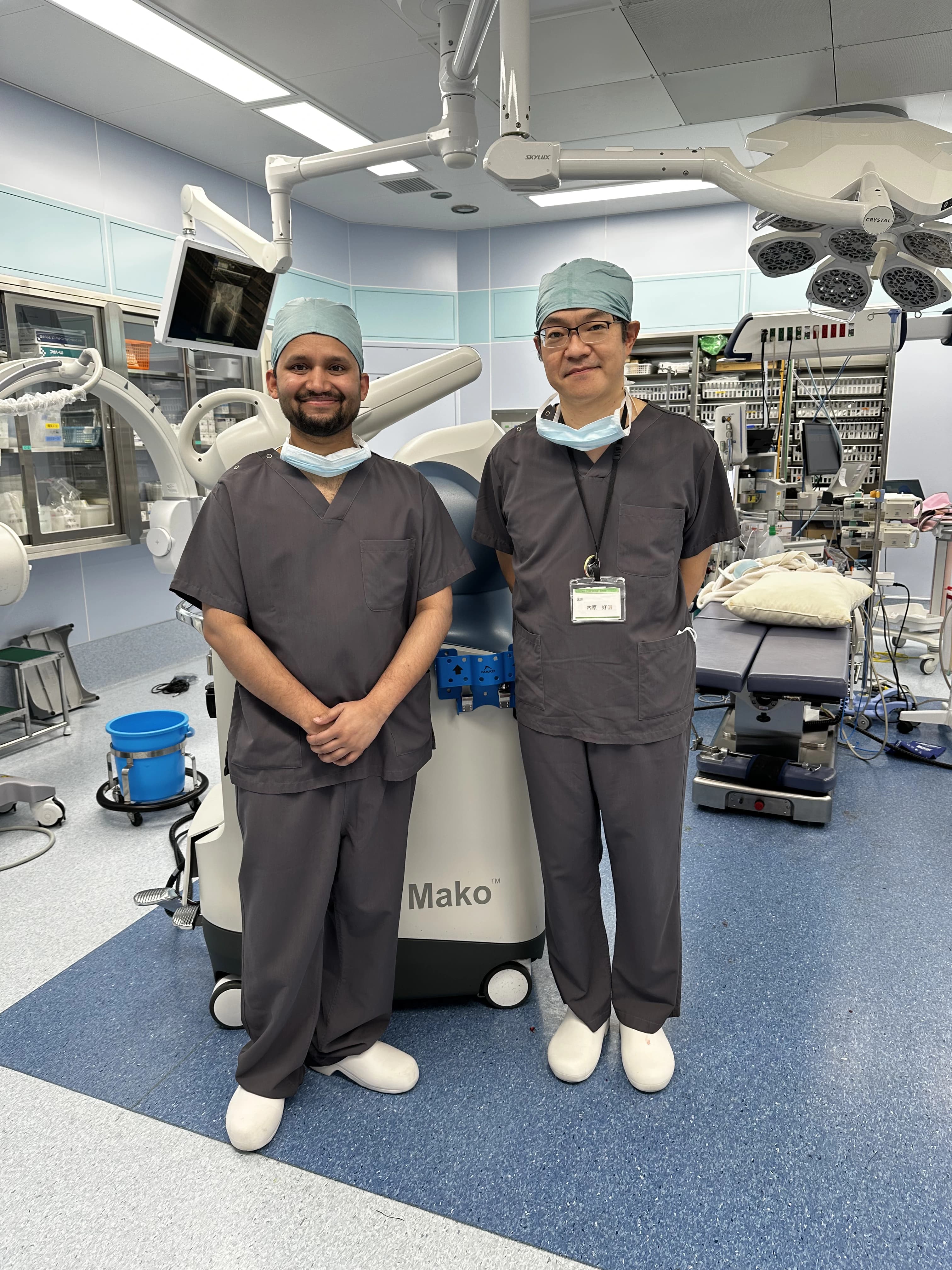
International fellowship-level precision applied to patient care in Patna.
Frequently Asked Questions on Impingement Syndrome
By shaving down the sharp bone spur on the underside of the acromion, the rotator cuff tendon no longer rubs against bone every time you raise your arm, protecting the tendon from future tears.