


Understanding Advanced Knee Arthroscopy & Sports Surgery
Sports injuries and twisting trauma commonly result in tears to the Anterior Cruciate Ligament (ACL), Posterior Cruciate Ligament (PCL), collateral ligaments, or the fibrocartilaginous meniscus. Arthroscopic surgery utilizes pencil-thin cameras and specialized instruments introduced through tiny portal incisions, allowing anatomic restoration of torn ligaments and maximal preservation of shock-absorbing meniscus tissue.
The Minimally Invasive Arthroscopy Advantage
Advanced 4K keyhole arthroscopy allows complete visualization and anatomical repair through pencil-thin incisions, eliminating extensive soft-tissue cutting, preserving natural joint biomechanics, and drastically accelerating recovery.
When Should You Consider Consultation for Knee Arthroscopy & Sports?
Specialist intervention is considered when joint pain or functional limitation significantly disrupts your daily life and conservative measures have been exhausted. Check if you experience any of the following:
A sudden 'pop' sensation in the knee followed by rapid swelling and inability to continue playing.
Knee instability, feeling that the joint gives way or buckles when turning or pivoting.
Mechanical locking or catching where the knee cannot be fully straightened.
Persistent joint-line tenderness following a twisting or hyperflexion injury.
Failed recovery after conservative treatment for sports-related knee trauma.

Dr. Vijay Kumar
Verified SpecialistSenior Consultant Orthopaedic, Robotic Joint Replacement & Complex Articular Trauma Surgeon
“My surgical philosophy centers on biological preservation, anatomical restoration, and rapid functional recovery. By tailoring the intervention to each patient's unique anatomy and lifestyle, we achieve lasting pain relief and active mobility.”
The 4-Stage Precision Clinical Workflow
Pre-Operative MRI & Diagnostic Mapping
Diagnostic arthroscopy using high-definition 4K optics through micro-incisions (portals).
High-Definition 4K Arthroscopic Access
Assessment of cartilage surfaces, cruciate ligaments, and meniscus integrity under dynamic probe testing.
Precision Anatomical Repair / Reconstruction
Precise anatomical tunnel drilling matching native ligament footprints.
Bio-Fixation & Sports Rehab Roadmap
Fixation with modern bio-absorbable or cortical button suspension devices.
Stage 05: Arthroscopic Execution
Tears in vascular meniscus zones repaired using suture anchors rather than resection.
Treatment Modalities Offered
Dr. Vijay Kumar practices conservative joint-sparing protocols first, proceeding to advanced surgical intervention only when indicated:
Non-Surgical & Joint Sparing
- Immediate PRICE protocol (Protection, Rest, Ice, Compression, Elevation)
- Targeted neuromuscular and proprioception rehabilitation
- Hinged knee bracing for isolated low-grade sprains or partial ligament tears
Specialised Surgical Procedures
- Anatomical single-bundle or double-bundle ACL Reconstruction using autografts (hamstring or bone-patellar tendon-bone)
- PCL Reconstruction and Multi-Ligament Knee Reconstructions
- Meniscus Repair (all-inside, inside-out techniques) to preserve natural cartilage shock absorbers
- Meniscus Root Repair and Meniscal Ramp Lesion Repair
- Cartilage Restoration (Microfracture, Osteochondral Autograft Transfer / OATS)
Recovery Timeline & Mobility Milestones
Weeks 1–2: Quad activation, straight leg raise, reduction of effusion.
Weeks 3–6: Full range of motion, restoration of normal walking gait.
Months 3–4: Jogging, agility training, and sport-specific drills.
Months 6–9: Functional sports testing clearance prior to competitive play.
International Fellowship & Surgical Suite Records
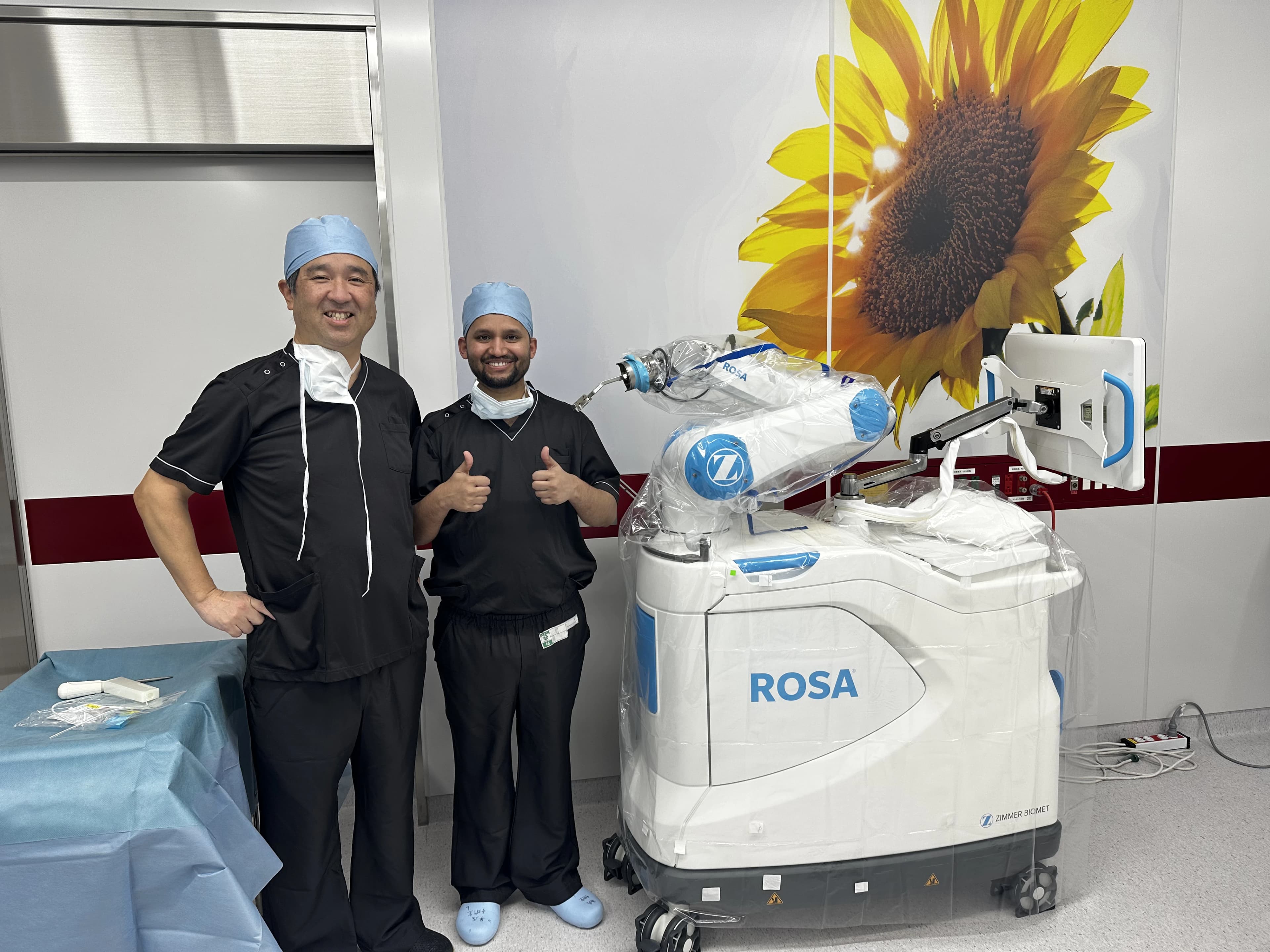
Intraoperative kinematics & 3D navigation alongside Japanese surgical faculty.
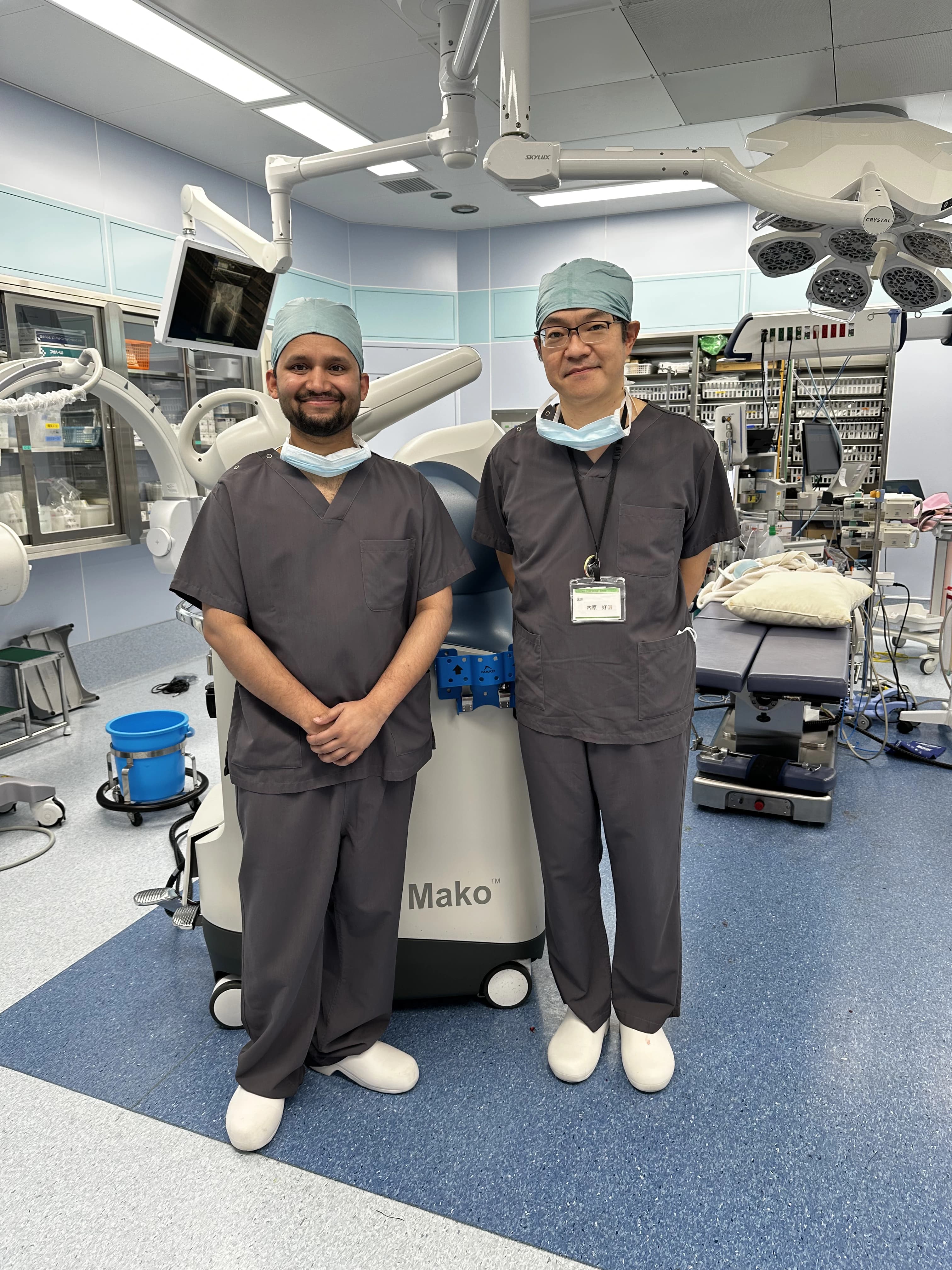
International fellowship-level precision applied to patient care in Patna.
Frequently Asked Questions on Knee Arthroscopy & Sports
Surgery is generally recommended for active individuals who engage in cutting or pivoting activities, or those experiencing knee instability during routine activities. Unrepaired instability increases the risk of secondary meniscus tears and early joint degeneration.