

Understanding Shoulder Dislocations, Instability & Bankart Repair
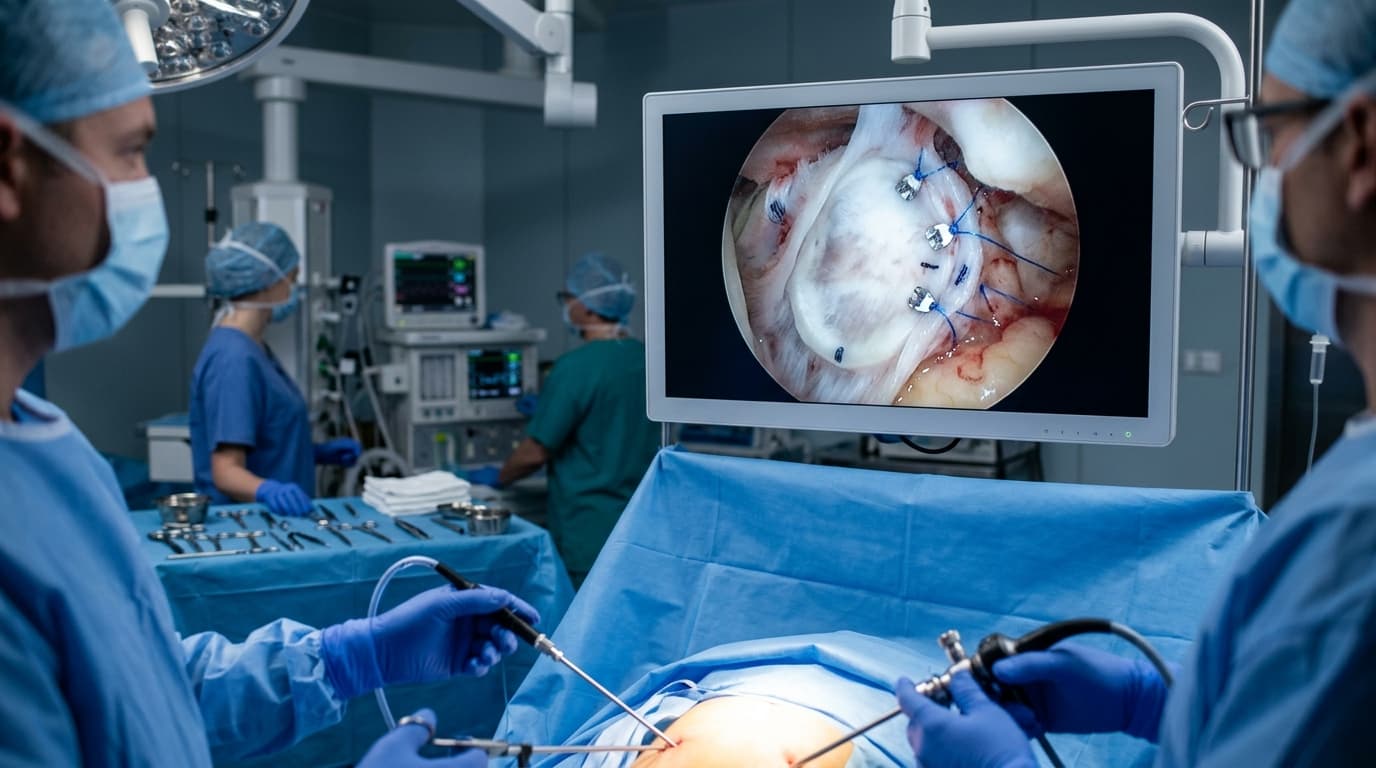
The shoulder is the most mobile joint in the human body, relying on a fibrocartilaginous bumper (the glenoid labrum) and surrounding capsular ligaments for stability. When the shoulder dislocates during a sports collision or fall, the labrum is torn away from the socket rim (Bankart lesion), often accompanied by an indentation on the humeral head (Hill-Sachs lesion). In young active individuals, this tear rarely heals spontaneously, leading to recurrent dislocations during ordinary movements (rolling over in sleep, throwing, or reaching). Arthroscopic Bankart repair re-attaches the labral bumper firmly to bone with bio-anchors.
The Minimally Invasive Arthroscopy Advantage
Advanced 4K keyhole arthroscopy allows complete visualization and anatomical repair through pencil-thin incisions, eliminating extensive soft-tissue cutting, preserving natural joint biomechanics, and drastically accelerating recovery.
When Should You Consider Consultation for Shoulder Instability & Bankart?
Specialist intervention is considered when joint pain or functional limitation significantly disrupts your daily life and conservative measures have been exhausted. Check if you experience any of the following:
First-time or recurrent shoulder dislocation requiring emergency manual reduction in hospital.
Shoulder slipping out of place during sleep, swimming, throwing, or reaching overhead.
Constant apprehension or 'dead arm' sensation during high-velocity sports.
Diagnosis of a Bankart lesion, Hill-Sachs lesion, or anterior glenoid bone loss on MRI / 3D CT.
Young athlete wanting to return to contact sports (cricket, rugby, football, martial arts) without fear of dislocation.

Dr. Vijay Kumar
Verified SpecialistSenior Consultant Orthopaedic, Robotic Joint Replacement & Complex Articular Trauma Surgeon
“My surgical philosophy centers on biological preservation, anatomical restoration, and rapid functional recovery. By tailoring the intervention to each patient's unique anatomy and lifestyle, we achieve lasting pain relief and active mobility.”
The 4-Stage Precision Clinical Workflow
Pre-Operative MRI & Diagnostic Mapping
4K arthroscopic inspection evaluating the anterior-inferior labral tear and quantifying glenoid bone loss.
High-Definition 4K Arthroscopic Access
Preparation of the anterior glenoid neck down to bleeding bone to promote biological healing.
Precision Anatomical Repair / Reconstruction
Insertion of 3 to 4 high-strength bio-composite suture anchors into the socket rim.
Bio-Fixation & Sports Rehab Roadmap
Passage of sutures through the torn labrum and capsule, creating a robust bumper that prevents forward dislocation.
Stage 05: Arthroscopic Execution
Watertight portal closure and placement into a protective abduction sling.
Treatment Modalities Offered
Dr. Vijay Kumar practices conservative joint-sparing protocols first, proceeding to advanced surgical intervention only when indicated:
Non-Surgical & Joint Sparing
- Short-term sling immobilization following first-time dislocation in older, low-risk patients
- Targeted dynamic rotator cuff and periscapular stabilizer strengthening
- Proprioceptive neuromuscular coordination training
- Activity modification avoiding high-risk overhead contact sports
Specialised Surgical Procedures
- All-Arthroscopic Bankart Labral Repair with bio-composite knotless anchors
- Arthroscopic Remplissage Procedure for large engaging Hill-Sachs defects
- Arthroscopic Capsular Shift / Plication for multi-directional instability
- Open Latarjet Coracoid Transfer for significant glenoid bone loss (>15–20%)
Recovery Timeline & Mobility Milestones
Weeks 1–4: Protective sling wear, gentle passive pendulum exercises, hand and wrist movement.
Weeks 4–6: Weaning off sling, initiation of active-assisted range of motion under supervision.
Months 2–3: Progressive rotator cuff and scapular stabilizer strengthening, swimming.
Months 4–6: Plyometrics, sport-specific throwing/contact drills, and clearance for competitive play.
International Fellowship & Surgical Suite Records
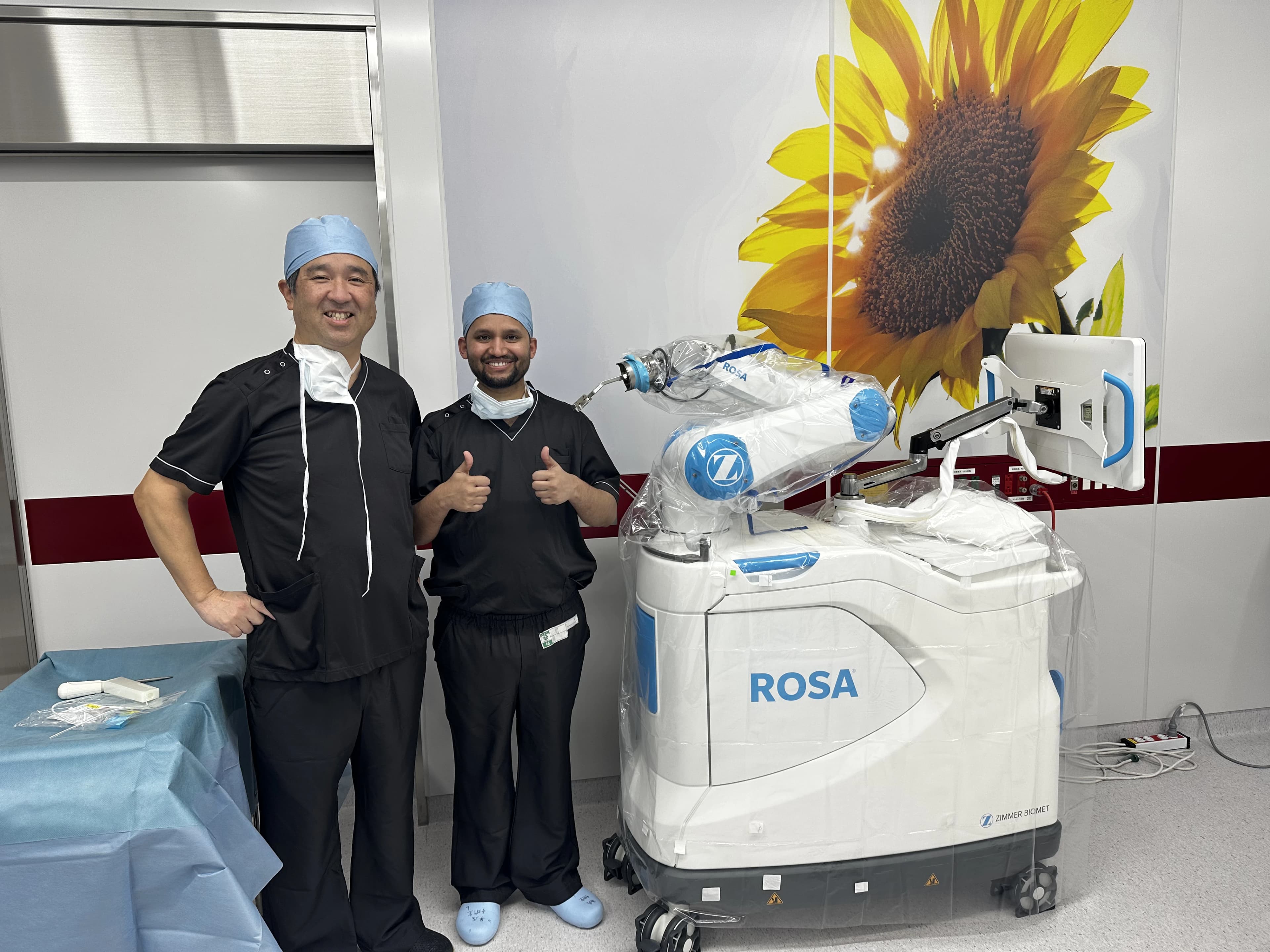
Intraoperative kinematics & 3D navigation alongside Japanese surgical faculty.
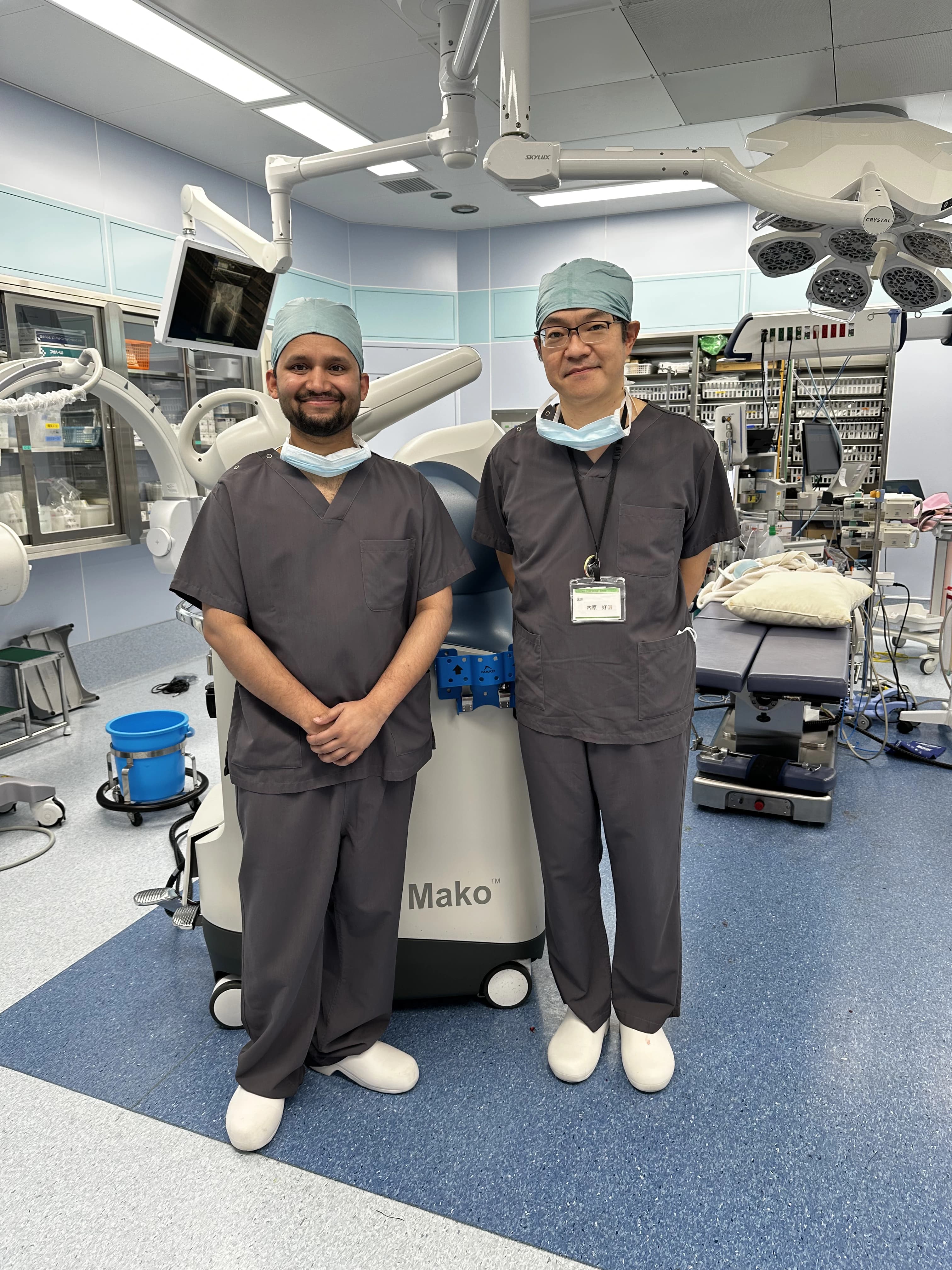
International fellowship-level precision applied to patient care in Patna.
Frequently Asked Questions on Shoulder Instability & Bankart
In individuals under 25, the recurrence rate after a first-time traumatic dislocation exceeds 70–80% because the torn labrum cannot heal against the bone without surgical repair. Arthroscopic Bankart repair reduces this risk to <5%.